
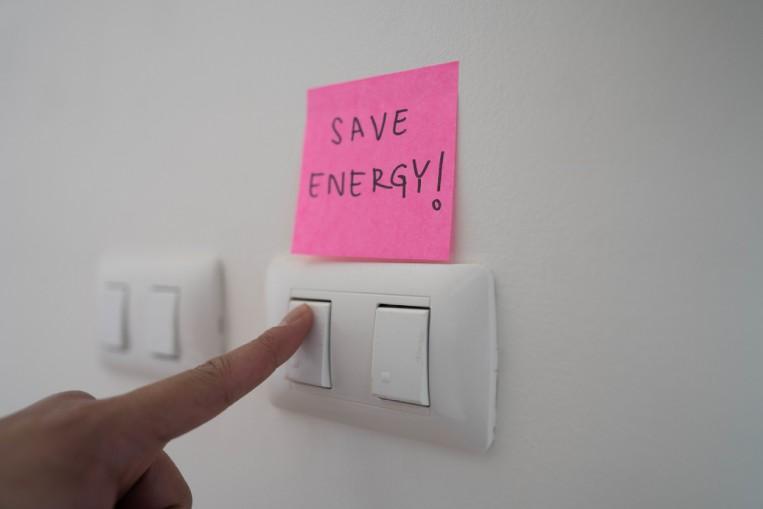
How Much Can Insulation Reduce Electric Bills?
If your electric bill in Texas feels higher every summer, you are not imagining it. Cooling costs can climb quickly when a home is losing conditioned air or letting in too much heat. Insulation is one of the most effective ways to slow that energy loss, but the actual savings depend on how your home is built and how well it is currently insulated.
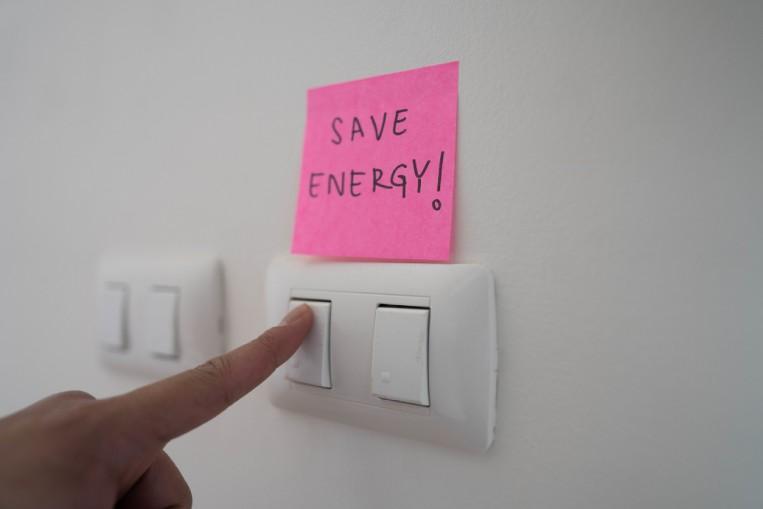
Why Energy Bills Rise In The First Place
In hot climates like Texas, the biggest driver of electricity use is air conditioning. When a home is underinsulated, heat moves in faster than your cooling system can push it out. That means your AC runs longer, cycles more often, and uses more electricity just to maintain a comfortable temperature.
Air leaks and thin insulation in the attic are usually the biggest contributors. Even small gaps can add up over time, especially during long stretches of 90 to 100 degree weather.
What Kind Of Savings Insulation Can Actually Deliver
For many homeowners, adding or upgrading insulation can reduce cooling costs by a noticeable amount, often in the range of 10 to 30 percent depending on the condition of the home. Homes that are severely underinsulated or have major air leaks may see even larger improvements after upgrades.
The key point is not just lower bills, but less wasted energy. When your home holds cooled air more effectively, your system does not have to work as hard or as long to keep you comfortable.
Why Attic Insulation Makes The Biggest Difference
In most Texas homes, the attic is the main source of heat gain. Sun exposure heats the roof, which then transfers heat into the attic space and eventually into your living areas. If insulation is thin or uneven, that heat moves quickly indoors.
Improving attic insulation helps slow that process, which directly reduces how often your AC needs to run. That is usually where homeowners see the most noticeable impact on their electric bills.
What Homeowners Notice After Insulating Their Home
After insulation improvements, the first change many people notice is not just lower bills but better comfort. Rooms feel more even in temperature, especially upstairs or in areas that used to run hot. The home also tends to stay cooler for longer periods without constant AC cycling.
Over time, those improvements add up to more stable monthly energy costs and less strain on the HVAC system.
Factors That Affect Your Actual Savings
Not every home sees the same reduction in electric bills. Savings depend on how much insulation was already in place, how much air leakage exists, and how efficiently your HVAC system is running. A home that starts in poor condition will usually see more dramatic improvement than one that is already fairly efficient.
The type of insulation and quality of installation also play a major role in performance.
The Real Value Goes Beyond Just Lower Bills
While energy savings are important, insulation also improves comfort and reduces wear on your cooling system. That can help extend the life of your HVAC equipment and reduce maintenance issues over time.
So the benefit is not just what you save each month, but also how much easier your home is to live in year round.
Find Out What Your Home Could Be Saving
If you are wondering how much insulation could reduce your electric bills, the most accurate answer comes from looking at your actual home. Hill Country Insulation can evaluate your current insulation levels, identify where energy is being lost, and explain what kind of improvement you can realistically expect. Call (512) 515-7707 to schedule a consultation and start lowering your energy costs with a more efficient home.