
For Pflugerville homeowners looking to boost household energy efficiency, knowing whether to invest first in air sealing or adding insulation is essential. Both improvements are critical, but they address different aspects of home performance. In Central Texas' variable climate, where sweltering summers and the occasional winter freeze can strain HVAC systems, prioritizing the right upgrades will impact comfort, energy savings, and your wallet.
Understanding the Difference: Air Sealing and Insulation
Air sealing involves closing gaps, cracks, and penetrations in your home's envelope where conditioned air can escape and unconditioned outdoor air can enter. This includes areas like attic hatches, plumbing penetrations, wall joints, and around windows or doors.
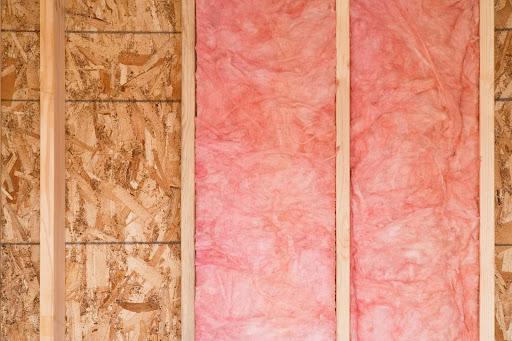
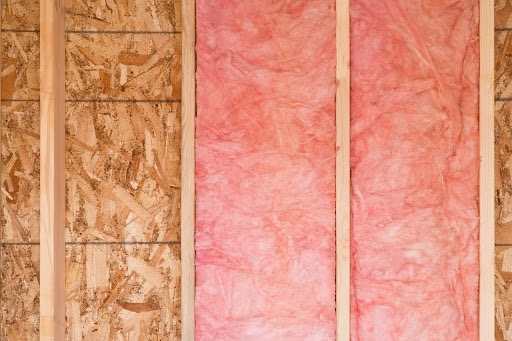
Insulation, on the other hand, refers to materials such as fiberglass batts or spray foam that slow the transfer of heat through walls, ceilings, and floors. While insulation resists heat flow, it does little to stop air leaks.
Both play a role in improving your home's thermal barrier—but sealing the leaks is often where you see the biggest impact in climates like Pflugerville's.
Why Air Sealing Comes First in Central Texas Homes
Central Texas homes, especially those built before the 2000s, often have significant gaps and cracks that allow hot outdoor air to infiltrate during the summer and cool air to leak out in the winter. When you add insulation without sealing these leaks, air continues to bypass the insulation's protective barrier, diminishing its effectiveness. This leads to:
Higher HVAC energy usage as your system works overtime to maintain comfortable indoor temperatures
Reduced comfort due to drafts and uneven temperatures
Increased indoor allergens and humidity, as outdoor air brings in contaminants
Energy audits performed in Pflugerville frequently reveal that the largest energy savings come from addressing air sealing opportunities first. For example, Hill Country Insulation technicians have documented up to 30% drops in blower door test scores after sealing attic bypasses and rim joist gaps, even before insulation upgrades.
When Is It Time to Add More Insulation?
Once significant air leaks are sealed, adding or upgrading attic insulation is the logical next step. In Pflugerville, attics are often under-insulated compared to current recommended R-values. If your attic insulation is less than 10-14 inches or you regularly experience hot or cold spots indoors, additional attic insulation could further improve energy efficiency and comfort.
To maximize performance:
Focus on the attic, since heat gain and loss are greatest here
Make sure insulation is evenly distributed, with no gaps or compressed areas
Use products best suited to Central Texas' climate, such as blown-in fiberglass or spray foam
Where to Focus Your Budget for Maximum Value
If you are planning a home energy upgrade in the Pflugerville area, prioritize air sealing first, particularly in the attic and around the building envelope. Once leaks are sealed, invest in upgrading insulation where needed, especially in the attic and any accessible wall cavities. This approach provides a sound return on investment by:
Lowering energy bills
Creating a more consistent indoor climate
Extending the lifespan of your HVAC system services
You will also experience improvements in indoor air quality and overall comfort.
Contact Hill Country Insulation for Air Sealing & Insulation Expertise
Ready to improve your home's efficiency, comfort, and value in Pflugerville, TX? Reach out to Hill Country Insulation for a professional evaluation and tailored recommendations that fit your needs and budget. Call (512) 515-7707 or fill out our online form to schedule your energy assessment or service appointment.