
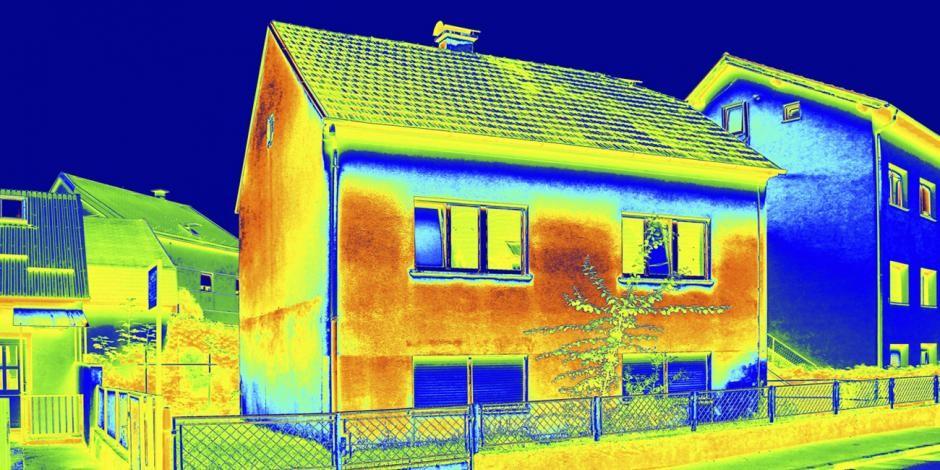
As the weather cools in Central Texas, it is smart for homeowners to consider how their houses perform when the thermostat drops. Energy costs in Austin typically surge during the winter months, making it important to take action before utility bills spike. A home efficiency audit is a comprehensive assessment that pinpoints where your house is losing heat and energy, so you can address issues proactively and maximize comfort while minimizing costs.
What Is a Home Efficiency Audit?
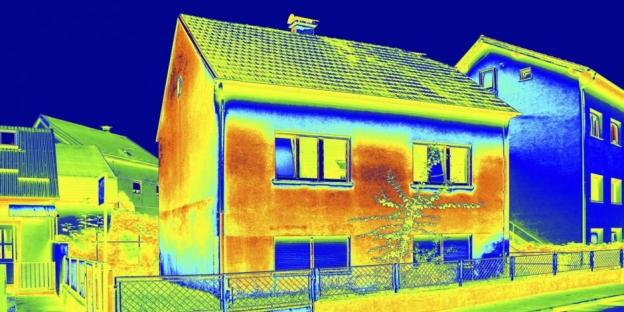
A home efficiency audit involves a thorough inspection of your house's building envelope, insulation, and mechanical systems, such as your HVAC and ductwork. During the assessment, a trained professional uses tools like infrared cameras, blower doors, and moisture meters to discover:
Air leaks in door frames, attic hatches, windows, and other penetrations
Insufficient or deteriorated insulation in attics and walls
Inefficient or poorly sealed windows and ductwork
Outdated or malfunctioning heating equipment
You can expect a review of your energy usage history, a walk-through of each room, and an analysis of your attic and crawl space. The goal is to uncover opportunities to boost your home's efficiency before you feel the effects of high heating bills.
How an Efficiency Audit Identifies Energy Loss Before Winter
Austin homes often feature unique construction details, varied insulation types, and aging HVAC systems. Unlike the mild summer evenings, winter's dips in temperature can reveal hidden inefficiencies—drafty windows, under-insulated attics, and leaky ducts. An audit during the fall allows for timely upgrades before heating demands rise.
Professionals may conduct a blower door test, which depressurizes the house to locate areas where warm air escapes or cold air seeps in. They also check your insulation services to see if the R-value meets local energy codes for Pflugerville and the surrounding Austin area.
What Homeowners Can Expect During the Assessment
When you book an efficiency audit, the process typically includes:
An initial consultation and questionnaire to review comfort concerns and energy bills
Walk-through and testing using specialized tools to detect temperature variations and air leaks
A detailed written report outlining prioritized recommendations for improvements
Advice specific to your home, such as sealing attic penetrations or upgrading aging attic insulation
After completing the audit, you will have a clear understanding of which upgrades offer the best return on investment and what steps to take before the temperature drops further.
Practical Steps After Your Audit
Once you receive the auditor's report, you will be better equipped to choose practical improvements. This might include:
Sealing air leaks around windows, doors, or fireplaces
Adding or replacing spray foam insulation in attics, crawl spaces, or rim joists
Upgrading to high-efficiency HVAC equipment before the winter rush
Timely action not only prevents winter discomfort but can also reduce your home's long-term energy use. When local rebates or utility incentives are available, your audit report provides the documentation needed to qualify for savings.
Schedule Your Audit With Hill Country Insulation Today
If you live in Pflugerville, TX, or the surrounding Austin area and want to lower your heating bills this winter, consider scheduling a home efficiency audit with Hill Country Insulation. Our experienced team identifies insulation and efficiency issues unique to Central Texas homes. Call us at (512) 515-7707 or fill out our online form to book your assessment before winter heating costs climb.