
Central Texas attics face a unique set of insulation challenges thanks to unpredictable weather patterns and persistent summer heat. When it comes to keeping your home comfortable and energy-efficient, choosing the right insulation type can significantly impact your utility costs, indoor air quality, and even the lifespan of your HVAC system. Among insulation options, spray foam insulation and blown-in insulation are the two most popular choices for attics in this region, with each delivering distinct benefits. Understanding their differences and the warning signs of insulation failure can help you determine which solution is right for your Central Texas property.
Comparing Spray Foam and Blown-In Insulation
Both spray foam and blown-in (loose-fill) insulation are effective at reducing heat transfer, but their application methods, materials, and performance characteristics are quite different.
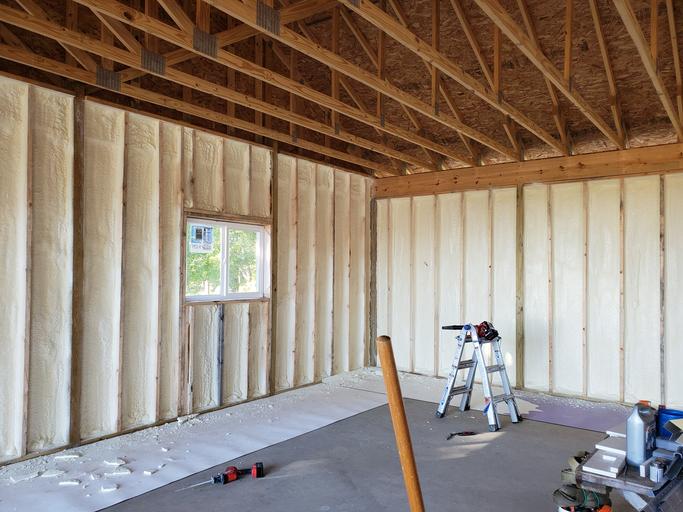
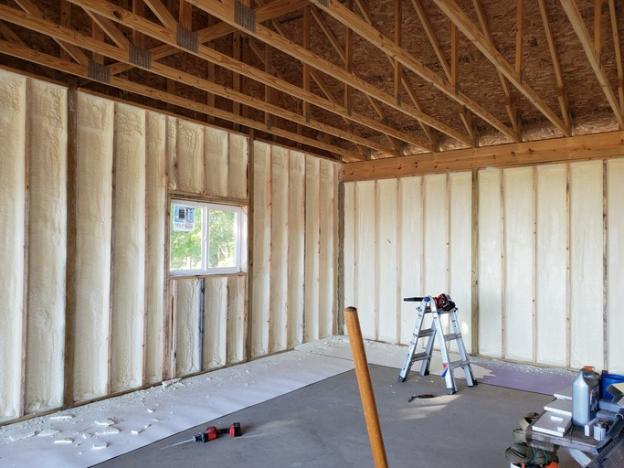
Spray Foam Insulation consists of a two-part liquid compound that expands upon application, filling gaps and sealing even hard-to-reach spaces. Closed-cell spray foam acts as both an insulator and air barrier, offering one of the highest R-values per inch on the market. The cellular structure of spray foam blocks air intrusion, helping keep allergens and outdoor pollutants from entering your attic.
In contrast, blown-in insulation is typically made from fiberglass or cellulose and is installed using a blower machine to spread the material evenly over the attic floor. Blown-in is ideal for attics with irregular framing or around obstructions. While not an air barrier like spray foam, it creates a thick, insulating blanket that helps reduce summer radiant heat gain and winter heat loss.
Which Insulation Works Best for Central Texas Weather?
Central Texas weather brings extreme heat, unexpected cold snaps, and high humidity over the course of a year. These conditions place continuous pressure on attic insulation, making the choice particularly important for homes in this area.
Spray foam insulation stands out in Central Texas because it helps seal gaps where hot, humid air often infiltrates during peak summer months. This tight seal reduces the workload on your air conditioner and improves energy efficiency. However, spray foam must be installed by certified professionals, and the upfront investment is higher compared to blown-in options.
Blown-in insulation, on the other hand, is often recommended for quick upgrades when homeowners want to supplement existing insulation. It's less expensive, easy to install, and offers excellent coverage. Still, it may allow some airflow if not densely packed or if there are gaps, which can influence your indoor air quality and HVAC efficiency, especially when outdoor pollen is high during the spring.
Warning Signs Your Attic Insulation Needs Attention
Knowing when to consider an insulation upgrade is critical. Several signs suggest it might be time to revisit your attic insulation:
Noticeable temperature fluctuations between rooms, especially between the attic and living spaces
Increased utility bills during summer or winter months
Signs of moisture, mildew, or pest intrusion in your attic
HVAC system running longer cycles than normal
Older homes with original insulation or insulation levels below today's energy standards
If you live in a neighborhood with mature trees or older housing stock, you may also experience settling insulation or water leaks—both of which diminish insulating performance and can shorten HVAC system life.
What to Discuss With Your Insulation Professional
To get the best results from your insulation project, be ready to ask your contractor the following:
Which material (spray foam or blown-in) best suits your attic's current condition and construction?
Will insulating address any existing moisture or air leakage issues?
How will the new insulation improve your home's energy efficiency and HVAC system performance?
Can the installer evaluate your attic ventilation to ensure overall indoor air quality?
Bringing these questions to your professional assessment can help you confidently invest in the right solution for Central Texas's demanding climate.
Get Peace of Mind For Your Pflugerville, TX Attic—Call Hill Country Insulation Today
Whether you need a full foam application or an upgrade with blown-in insulation, the team at Hill Country Insulation is here to provide a personalized evaluation and expert installation. We serve Pflugerville, TX and the surrounding region, ensuring homes are protected from harsh temperatures all year round. For your next insulation or HVAC-related project, call us at (512) 515-7707 or fill out our online form to schedule a free attic evaluation.